Solo female travel: freedom, fear, and expectations
The night before my first solo trip, I hovered over the “confirm” button and realized the fear wasn’t just crime—it was the idea that I’d be “doing it wrong” without a companion to validate every choice. Solo travel is freedom in daylight and a negotiation after dark: you can change plans on a whim, but you also carry every decision alone when something feels off.
What helped was treating safety like budgeting, not like a personality test. You don’t need to be fearless; you need a few non-negotiables (where you stay, how you get home at night, who gets your attention) and permission to spend a little more for convenience when the situation calls for it.
Expect a mild loneliness dip around day two or three—especially at dinner—because independence can feel oddly loud. I plan one “easy connection” anchor (a walking tour or cooking class) so I’m not forcing social energy when I’m already tired.
Choose destinations and timing that reduce risk
I learned fast that “safe country” is too blunt a filter—what mattered more was whether I could move easily from dinner to my bed without a complicated late-night commute. When I’m picking a destination for a first solo trip, I look for places where the core sights sit in a few walkable neighborhoods, public transit is straightforward, and arriving from the airport won’t force me into a negotiation at midnight. It can cost more to stay central, but saving $25 a night isn’t a win if you’re paying it back in stress and rideshares.
Timing is the quiet risk-reducer. I aim to land in daylight (even if the flight is less convenient) because finding your hotel, buying a SIM, and getting oriented is smoother when everything’s open and you’re not tired-panicked. I also avoid stacking too many “after dark” plans early in the trip; jet lag plus unfamiliar streets is when I’m most likely to miss small red flags. If you’re choosing between peak season and shoulder season, crowds can feel safer but also come with more pickpockets—either way, decide what kind of friction you’d rather manage.
One simple test: open your map app and simulate a few routes you’ll do repeatedly—airport to hotel, hotel to a popular dinner area, dinner back to hotel at 10–11pm. If those routes look messy, it’s a clue to change the neighborhood, not just “be more careful.”
Book lodging and transport with safety filters
I once saved $18 a night by booking a “cute” guesthouse that looked perfect on photos—then realized the last ten minutes from the metro were a dim, quiet walk that felt totally different at 10:30pm than it did at 2pm. Now I treat lodging like a safety-and-energy purchase: I’ll pay more for a place where I can arrive, drop my bag, and re-emerge without feeling like I’m starting an expedition.
When you shortlist hotels/hostels, filter for a 24-hour front desk (or at least self check-in that isn’t complicated), lots of recent reviews from women traveling solo, and a location that stays “lit and lived-in” after dinner. I’m wary of properties that are technically close to sights but separated by a park, river path, or empty business district—great in the morning, weird at night. The constraint is cost: central, well-reviewed places fill up and the best rooms disappear first, so waiting for a deal can backfire.
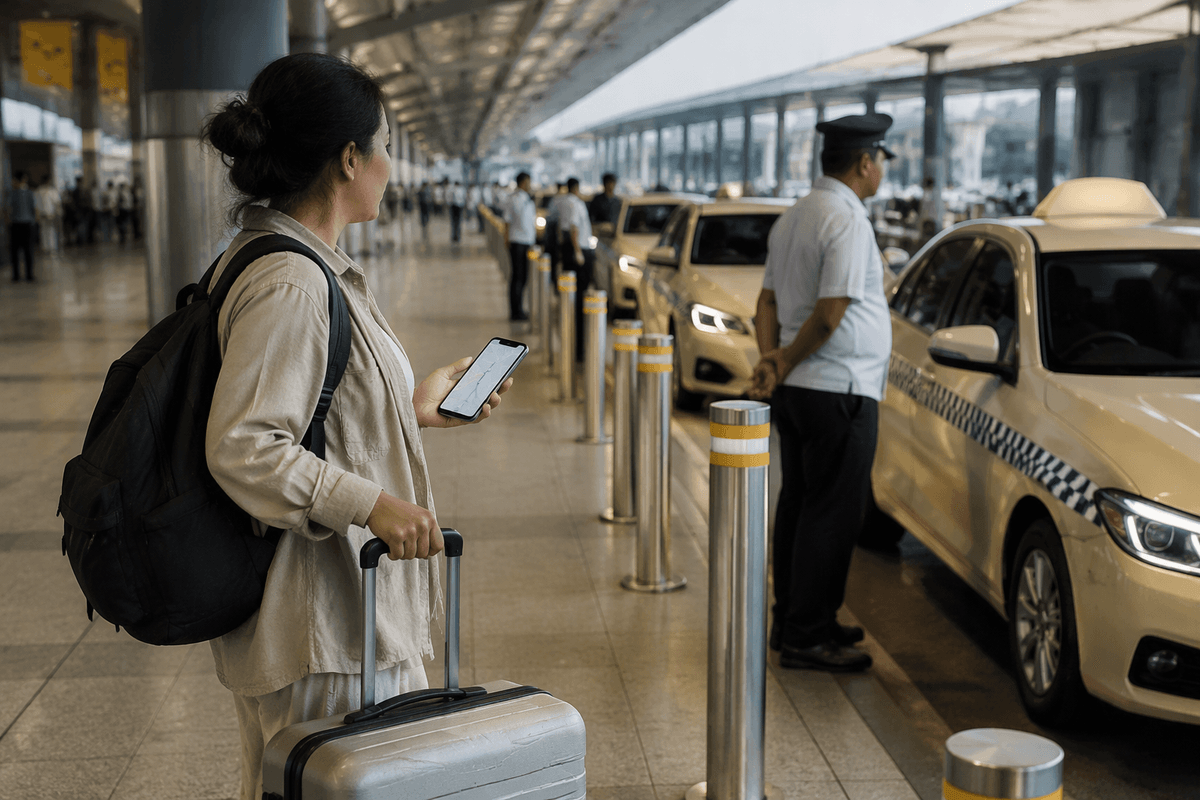
For transport, I plan the first and last ride like a mini-project: airport pickup or an official taxi queue beats negotiating when you’re tired, and I screenshot the route and address in the local language in case my phone glitches. In the evenings, I’ll take public transit if it’s simple and busy; if it requires two transfers or a long walk, I budget for a rideshare and call it the price of sleeping well.
Pack, prep, and protect essentials without overpacking
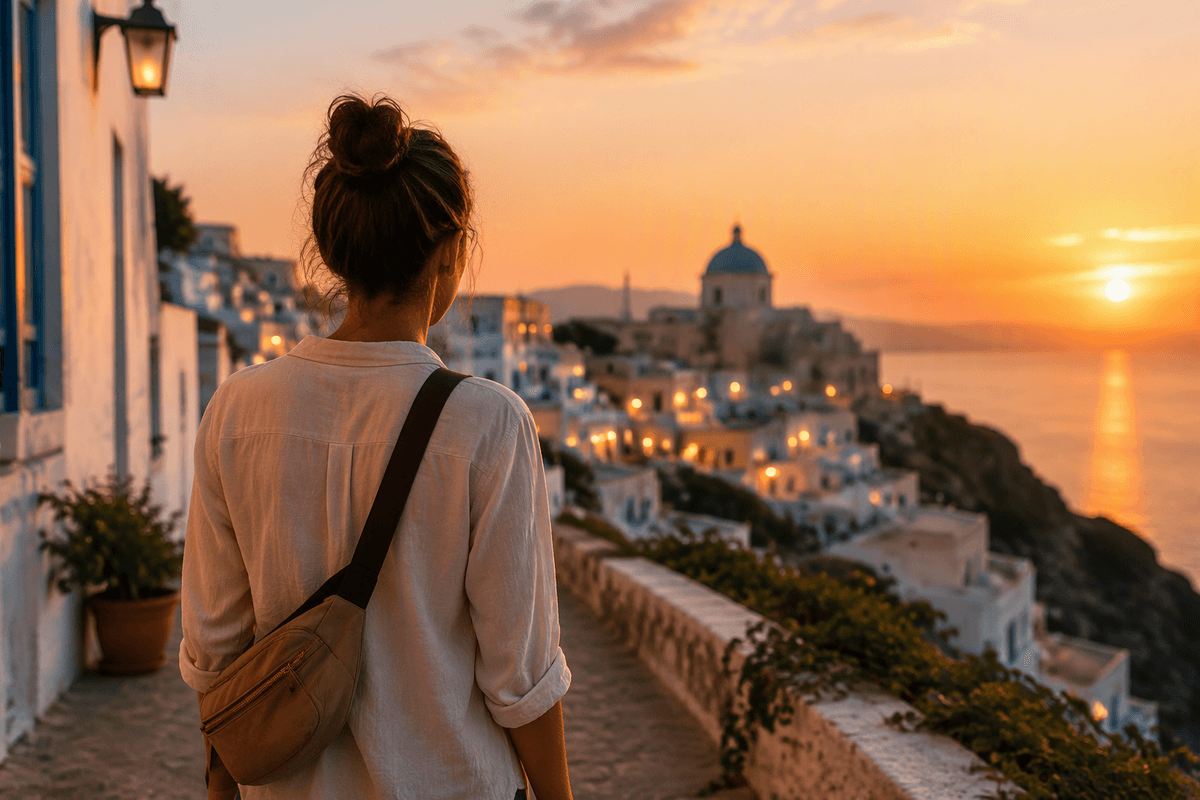
I used to pack like I was preparing for every bad scenario, and then I’d spend day one sweating through my “just in case” layers while digging for the one thing I actually needed. Now I pack for speed: one small crossbody that zips, plus a tote that stays flat in my bag for groceries or beach days. A slash-resistant purse is nice, but the more realistic win is keeping your phone and wallet out of back pockets and not setting them on café tables when you’re tired and distracted.
Prep is where you buy yourself calm without carrying a pharmacy. I keep digital copies of my passport, visa/entry docs, and insurance in two places (email + cloud) and one printed sheet with my hotel address and an emergency contact—because phones die at the exact wrong moment. I also split money: a small “decoy” amount in an easy-to-reach pocket for quick payments, and the rest tucked away. It’s slightly annoying, but it prevents the single-point-of-failure feeling that can hijack your whole day.
The only “extra” I insist on is power and connectivity: a compact battery pack and a way to get data immediately (eSIM or a plan to buy a SIM near your hotel, not at a random kiosk). It adds a bit of cost up front, but it saves you from that vulnerable gap where you can’t map, message, or bail out of a sketchy situation efficiently.
Stay aware, set boundaries, and handle attention
The first time a stranger started “helping” me with directions I hadn’t asked for, I felt my politeness kick in before my brain did. Now I treat awareness like a volume knob: I don’t walk around paranoid, but I do check who’s behind me when I stop to look at my map, and I step into a shop to re-orient instead of freezing on a sidewalk. Headphones are my big compromise—I’ll wear them with nothing playing if I want to look unbothered, but I keep the volume low in unfamiliar areas because hearing footsteps and bikes matters more than a soundtrack.
Boundaries work best when they’re boring. I pick one neutral line and repeat it (“No, thank you” / “I’m meeting someone”), then I physically move—across the street, toward a family, into a brighter block. Engaging to “be nice” is what drags interactions out, especially with persistent flirting or scam setups. If someone asks where I’m staying, I’ll name a neighborhood or a landmark, not my hotel; it’s a small constraint on conversation that keeps you from handing out a precise pin.
At night, I plan for low-friction exits: I sit where I can see the door, keep my bag strap across me, and pay before my last drink if I’m getting tired. It’s not that bars or cafés are automatically unsafe—it’s that fatigue makes you slower at reading situations, and that’s when attention can feel heavier than it should.
Connect safely: locals, tours, and other travelers

I’ve made the mistake of trying to “meet people organically” on night one, then realizing I’d drifted into a conversation where the other person was steering the plan—new bar, new neighborhood, “my friend’s place”—faster than I could evaluate it. Now I connect with intention: daytime, public, and with a clear exit. Free walking tours and small-group food tours are my favorite middle ground because you get local context and instant company, but you’re not committing to one-on-one time with a stranger.
When I want a more local feel, I’ll book one structured experience (cooking class, market tour, hike) early in the trip. It costs more than wandering alone, but it fixes two problems at once: loneliness dips and bad routing decisions when you’re tired. I also pay attention to group size—tiny groups can get intimate in a way that’s either lovely or awkward if the vibe is off.
With other travelers, I’ll meet for coffee or a museum first, not “drinks later,” and I keep my lodging details vague even if they seem trustworthy. If someone pushes back on slow, public plans, I take that as information and keep it moving.
Travel confidently: your rules, your pace
On my last solo trip, I had a night where everything was technically fine—good neighborhood, busy streets—and I still felt the internal “no.” I went back early anyway, and the relief was immediate. The hard part isn’t the logistics; it’s giving yourself permission to disappoint an imaginary audience that thinks solo travel should look bold every minute.
I treat confidence as a series of small choices I’m allowed to revise: take the rideshare instead of proving a point, eat dinner somewhere easier when my social battery is low, skip the “must-see” that requires a late return. You spend a bit more or see a bit less, but you stop paying in anxiety.
If you’re unsure, default to the option that leaves you with the cleanest exit. That’s not being overly cautious—it’s how you keep the trip feeling like yours, start to finish.