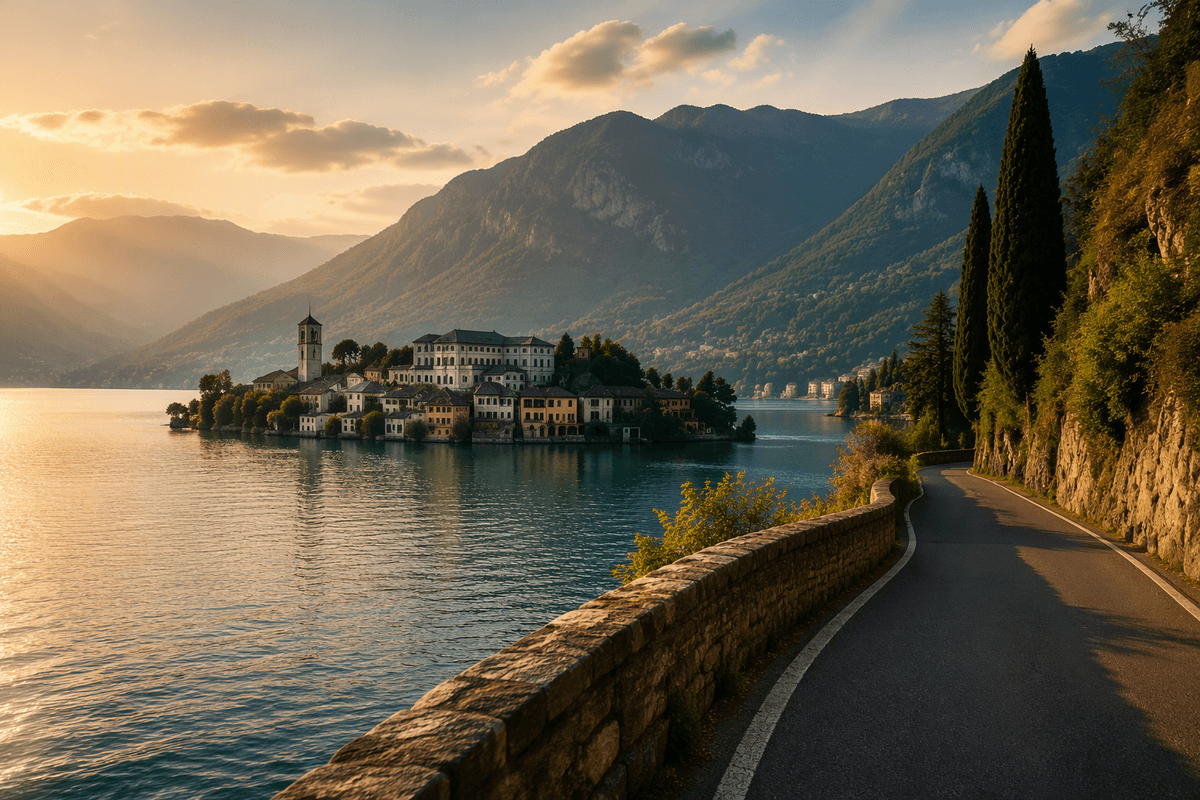
Why Alaska feels daunting from India
The first time you price out Alaska from India, it doesn’t look like “one trip”—it looks like three. You’re staring at 20–30+ hours of flying, at least one U.S. transfer, and then realizing Alaska is a different scale entirely: Anchorage to Denali is a full day’s commitment once you add check-in, stops, and fatigue.
What makes it feel daunting isn’t just distance; it’s seasonality with hard edges. A July plan can be ruined by sold-out lodging and higher car rates, while a September plan trades crowds for shorter days and a narrower window for boats and wildlife tours. Add the cruise-versus-road question and it’s easy to overpack the itinerary—trying to “cover” glaciers, Denali, and the Arctic in 10–14 days—then spend half the trip in transit.
The workaround is to accept a constraint early: pick one primary spine (Anchorage–Kenai–Denali, or a one-way route that pairs a cruise with a short land add-on), then build around it. Alaska rewards fewer bases, longer stays, and realistic driving time—especially when you’re landing with jet lag and traveling with family.
Choose your Alaska gateway and route
The first real decision is your gateway: Anchorage for the classic first-timer triangle (city services, car rentals, easy access to Kenai + Denali), or a cruise gateway like Vancouver/Seattle if you want glacier scenery “served to you” while you sleep. Anchorage works better when you’re traveling with family and need flexibility; cruise gateways work better when you’re jet-lagged and don’t want to drive long distances immediately.
For 10–14 days, pick one of two routes: (1) an Anchorage loop—Anchorage → Kenai (Seward/Homer) → Denali → back—best coverage, but more driving and higher summer car costs; or (2) cruise + short land add-on—Inside Passage cruise, then fly to Anchorage for 3–5 nights and just do Kenai or Denali. Trying to do both Denali and a full cruise often turns into a transfer-heavy blur.
Anchorage + nearby highlights
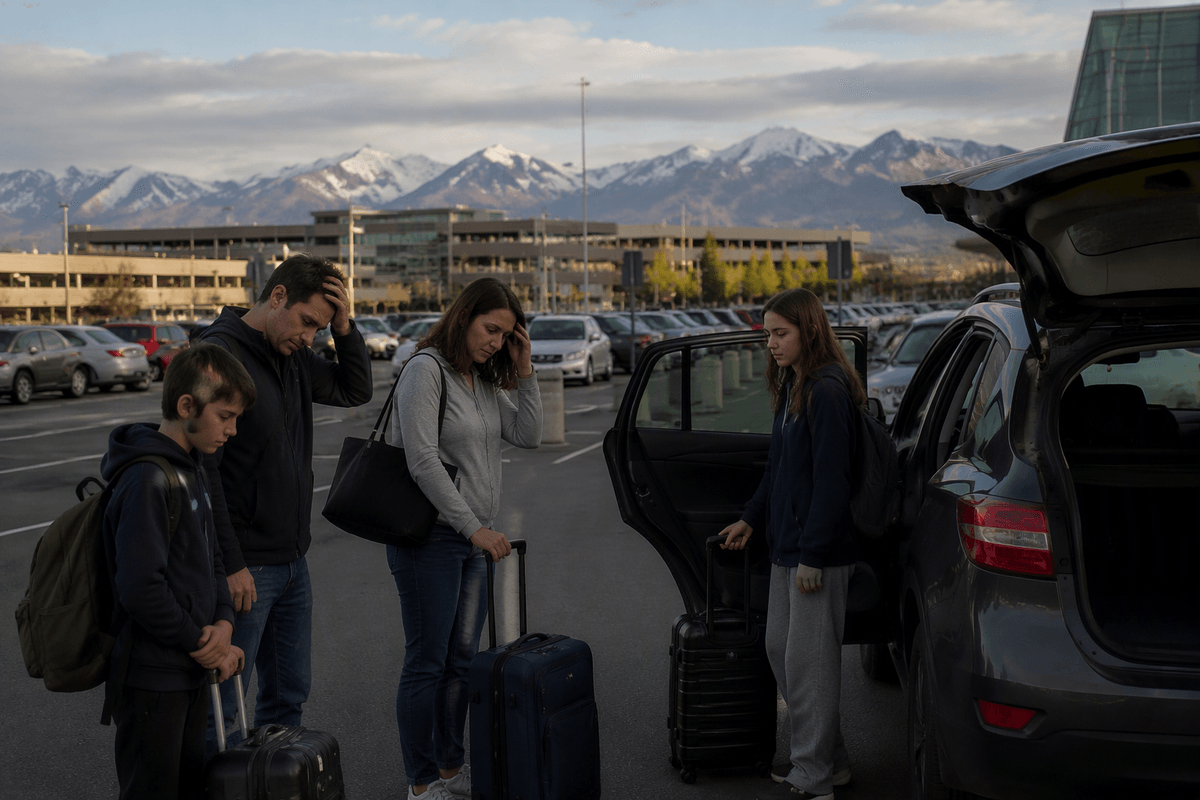
Anchorage is where you find out how jet lag interacts with logistics: you land, pick up a car, and suddenly “just driving to the mountains” is a decision. The good news is you can get a lot of Alaska’s greatest hits without committing to a long haul on day one—especially helpful if you’ve come in via Seattle and the family is running on airport food and two hours of sleep.
If you can manage only one nearby outing, the Anchorage–Girdwood–Portage corridor works well because it’s a low-risk, high-reward day: big scenery, short driving, and plenty of bail-out points if weather turns. The summer traffic on the Seward Highway can crawl, and popular stops don’t feel “wild” at midday. I’d plan an early start, keep the itinerary light, and treat Anchorage as a supply-and-reset base (groceries, layers, SIM/eSIM, repacking) rather than a place you’re trying to “sightsee hard.”
Denali National Park essentials
The Denali decision usually hits on a tired evening in Anchorage: do you spend a full day getting there for a park you can’t freely drive into? For first-timers, Denali is worth it when you treat it as a bus-and-wait experience, not a quick roadside photo stop. The constraint to accept early is access—most of the park road is restricted to private vehicles, so your wildlife and “deep Denali” chances depend on booking a shuttle or narrated bus.
Practically, plan two nights near Denali so you get one full day for a bus and still have buffer for weather (low clouds can erase the mountain). One night often collapses into: drive up, sleep, ride a bus, drive back—too compressed, especially with family and long-haul fatigue. If your group dislikes long rides, choose a shorter bus option and pair it with easy trails or the visitor area; if you’re chasing wildlife, accept the trade-off of a longer, bumpier day with fewer facilities and more uncertainty.
Kenai Peninsula: fjords, glaciers, whales
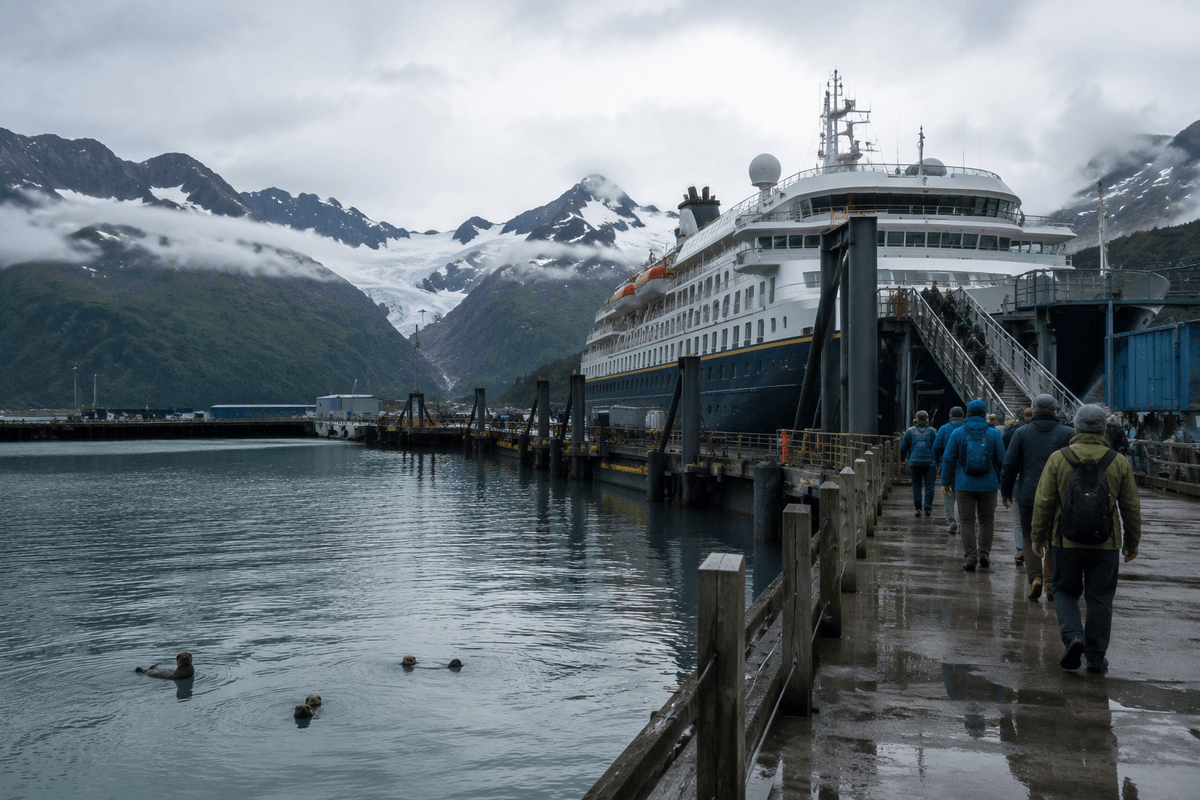
The Kenai choice usually comes right after Denali planning: do you want your “Alaska water day” to be engineered (boat tour) or improvised (viewpoints and short walks off the highway)? From Anchorage, Seward is the cleanest plug-in if you’re prioritizing fjords, glaciers, and whales in one shot—book a Kenai Fjords cruise and you’ll get maximum payoff for minimum navigation. What doesn’t work as well is pretending it’s a casual day trip: the drive is doable, but with summer traffic and tour check-in times, it’s easy to turn into a long, tense day for families.
If whales and tidewater glaciers are non-negotiable, Seward’s day cruises are the straightforward bet; the trade-off is cost and weather dependence—choppy seas and rain can make the “once-in-a-lifetime” boat feel like endurance. Homer can be better if your group prefers a slower base and you’re okay spending more time driving to spread the experience over multiple days. Either way, I’d keep Kenai to one base (2 nights) instead of trying to “sample” both towns; the peninsula rewards committing, because packing, repacking, and late hotel check-ins are where long-haul fatigue shows up.
Fairbanks: aurora or midnight sun
Fairbanks is where your season choice stops being abstract. In summer, the “midnight sun” sounds dreamy, but it can also mean kids (and adults) who simply won’t sleep—blackout curtains help, yet hotel light leaks are real. The upside is easy logistics: day trips to Chena Hot Springs or the Museum of the North don’t require perfect timing.
If you’re coming for aurora, treat it like a probability game, not a guaranteed show. Late August through winter gives you the darkness, but you trade boat tours and mild temperatures for longer packing lists and weather risk. For a 10–14 day first trip, Fairbanks works best as a 2-night add-on after Denali (train or drive), not a standalone detour that steals time from Kenai.
Trade-offs, pacing, and leaving confident
The moment your map starts looking like a starburst, simplify: Alaska punishes over-coverage. For a first trip, pick two anchors—Kenai + Denali (Anchorage loop) or Cruise + one anchor—and give each 2–3 nights. The trade-off is obvious: fewer “pins,” but more actual Alaska between check-ins, meal hunts, and tired arguments.
Budget your energy like money: one long transfer day every 3–4 days, not back-to-back. Build one weather buffer for boats or Denali views, and pre-book the few things that cap your trip (park bus, fjords cruise, key lodges). If you can explain your route in one sentence, you’ll travel calmer—and arrive home feeling complete, not unfinished.