Singapore’s compact art scene: what’s truly worth your time
I almost overbooked my first afternoon—two museums, a gallery hop, and “maybe Gardens by the Bay after,” which sounded reasonable until the humidity turned every extra 10-minute walk into a negotiation. Singapore’s art scene is compact, but it’s also split by vibe: big air-conditioned flagships that feel effortless versus smaller contemporary spaces that can be brilliant yet require more transit, more patience, and occasionally more tolerance for “quiet” days.
If you only have 3–4 days, the trick isn’t finding good art—it’s avoiding the wrong kind of good. I’d shortlist nine options and accept that you’ll realistically do four to six: National Gallery Singapore (depth), ArtScience Museum (crowd-pleasing), Singapore Art Museum (check where it’s operating), Gillman Barracks (new voices, but hit-or-miss timing), STPI (process and print craft), Asian Civilisations Museum (context-rich heritage), Peranakan Museum (design-forward culture), Red Dot Design Museum (quick, not deep), and the Esplanade’s free galleries (low-commitment, variable).
Group them by geography to save energy: Civic District (National Gallery + ACM + Peranakan), Marina Bay (ArtScience + design), and a “contemporary swing” (Gillman/STPI) when rain or heat makes long outdoor stretches feel like wasted time.
Iconic must-sees: national collections and global blockbusters
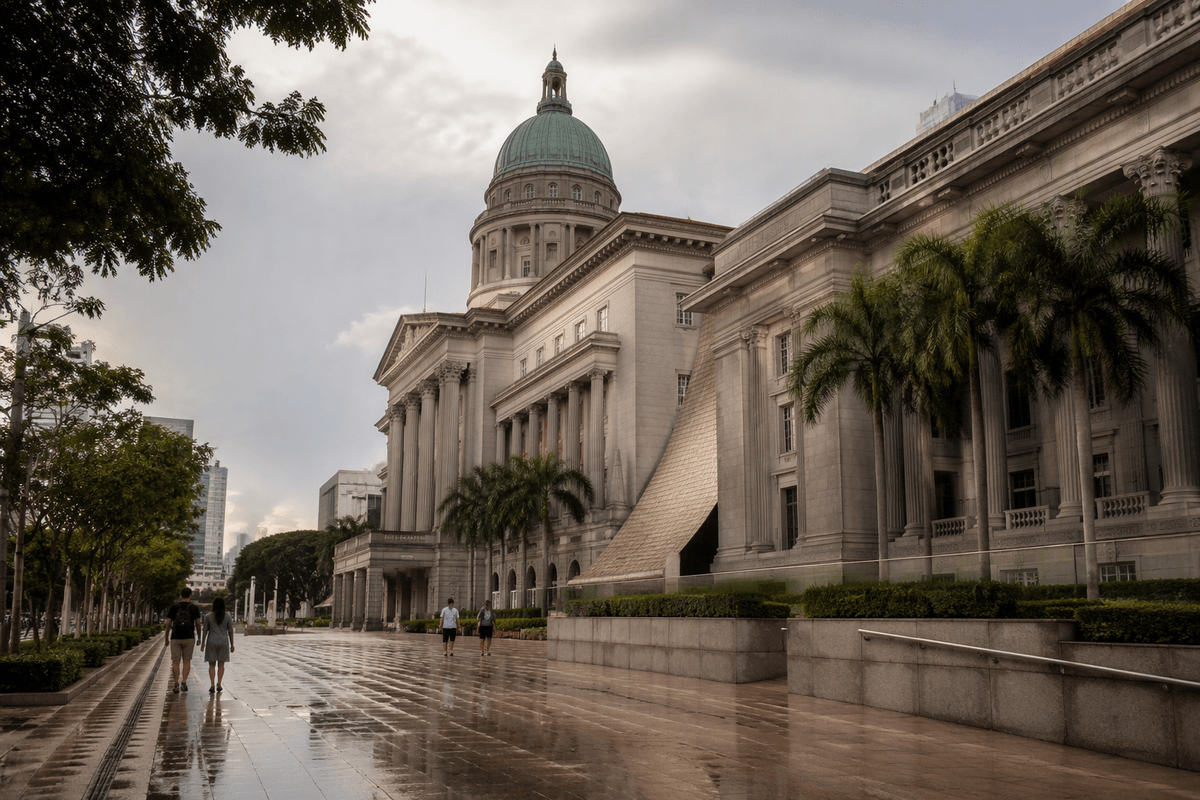
The moment I stopped trying to be “efficient” and just picked one big flagship, the day got easier. National Gallery Singapore is the anchor if you want substance: you can do a fast, satisfying pass in 90 minutes, but it rewards a longer drift—at the cost of museum fatigue if you stack anything heavy right after. It’s also the most dependable choice in bad weather, and it tends to feel calmer than the tourist-magnet attractions, especially earlier in the day.
ArtScience Museum is the opposite kind of iconic: less about a national canon and more about a high-production, camera-friendly hit. It works incredibly well as a late-afternoon reset (cold air, easy pacing), but it can bottleneck hard on weekends and school-holiday windows, so I wouldn’t plan it as your only “serious” art stop. If you’re deciding between the two, I’d treat National Gallery as your one must for meaning, and ArtScience as your must for spectacle—just don’t expect quiet contemplation there.
Contemporary edge: where to catch new Singapore voices
I learned quickly that “contemporary” in Singapore can mean either a polished, predictable institution—or a scattered set of spaces where the best show might be on for three weeks and the next visit feels oddly empty. If you want the most reliable read on local voices, Singapore Art Museum is still the clearest signal, but it’s only worth locking in once you’ve confirmed which site is active and what’s actually on; otherwise you risk spending commute time for a gallery experience that feels provisional.
Gillman Barracks is the high-variance option: when a few galleries have strong exhibitions, it’s a genuine pulse-check on what’s being made and sold now, and the campus layout makes it easy to dip in and out without “museum stamina.” The catch is timing—openings and rotation matter, and midweek afternoons can feel quiet enough that the energy disappears.
For a tighter, more consistently satisfying contemporary hit, I’d pair STPI (studio/process, often the most memorable “how it’s made” stop) with a low-commitment fallback like the Esplanade’s free galleries. That combo works well on a humid or rainy day because you can keep the schedule flexible without feeling like you wasted a paid ticket.
Culture and craft: Asian heritage beyond paintings
I hesitated before locking in heritage museums because they can feel like “homework” on a short trip—until an afternoon thunderstorm made the air-conditioned, story-rich option the obvious win. Asian Civilisations Museum is the one I’d prioritise when you want context, not just objects: it’s close enough to the Civic District heavy-hitters that you’re not burning energy on transit, and it’s absorbing even in a 60–90 minute visit. The only friction is pacing—if you’ve already done a dense museum earlier, ACM can tip you into information overload unless you pick a single wing and commit to skipping the rest.
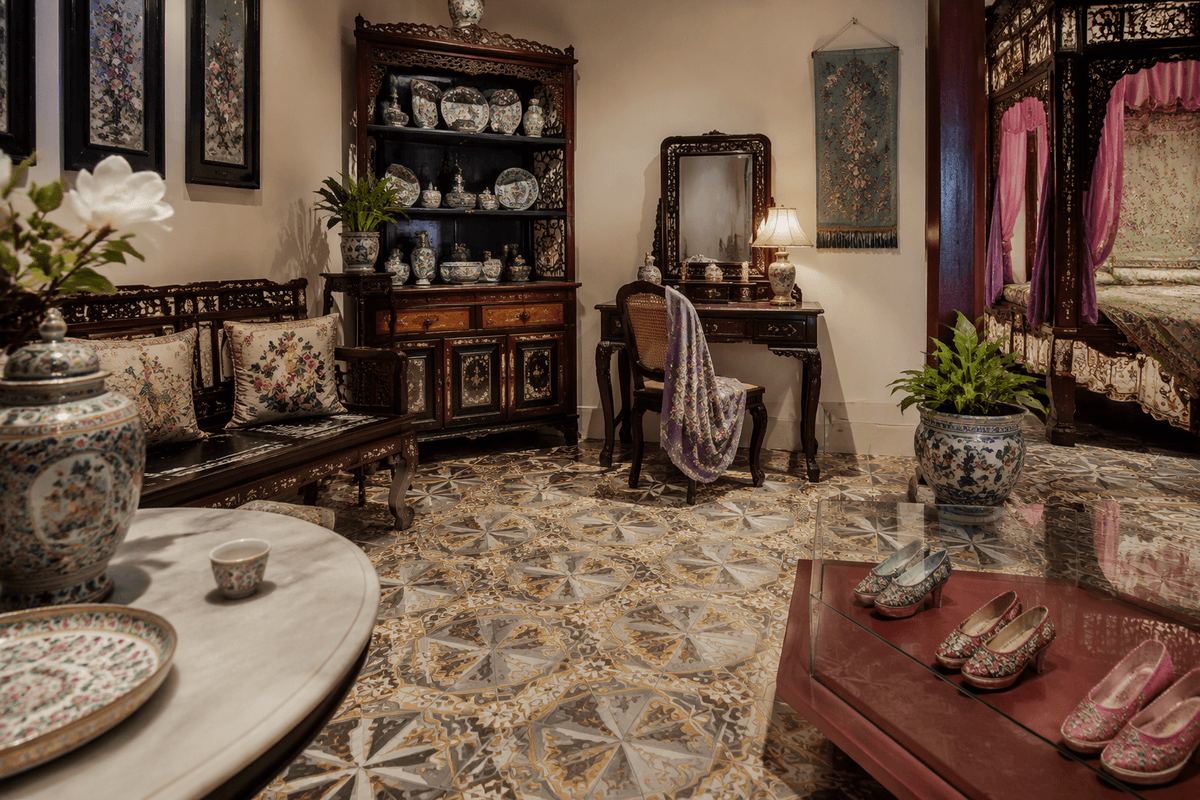
If you want heritage that reads like design (and feels lighter on the brain), the Peranakan Museum is the cleaner choice—pattern, craft, domestic detail, and a satisfying sense of place without needing deep prior knowledge. It’s also easier to enjoy when you’re heat-tired because you’re not fighting crowds the way you might at more “bucket list” stops, though you’ll get less of the sweeping regional scope you’d get at ACM.
When your attention span is fading, STPI works as the craft-forward bridge between heritage and contemporary: prints and process are genuinely engaging, but it’s not a guaranteed “big show” day—worth it when you can treat it as a flexible add-on rather than the whole plan.
How to choose: location, fees, timing, and crowd levels
I usually decide with a map first, not a mood: if you’re central, the Civic District cluster saves the most “invisible time” (walking in heat, waiting for crossings, grabbing a taxi). Do National Gallery + ACM, then add Peranakan only if your legs (and attention span) aren’t already done—three back-to-back can feel productive, but it’s easy to leave fuzzy-headed rather than satisfied.
Fees are where “quick” stops earn their keep. Prioritise paid tickets for depth or spectacle—National Gallery (depth), ArtScience (spectacle, but queues)—and fill gaps with lighter, lower-commitment options like Esplanade’s free galleries (variable, convenient) or Red Dot Design Museum (fast hit, not deep). If a venue requires a special trip (SAM site-dependent, Gillman), it needs a strong current show or you’ll resent the commute.
Timing is the crowd lever: go earlier on weekdays for National Gallery/ACM, and treat ArtScience as a late-day reset only if you can tolerate bottlenecks. Gillman/STPI work best as a flexible “contemporary swing” when rain breaks the day, but they’re less rewarding if you need guaranteed buzz.
Build your perfect art day—and leave feeling satisfied
At 11:30 a.m. I’ve made the same mistake twice: trying to squeeze in “one more” museum before lunch, then realising my brain is full and my shirt is damp. A satisfying art day here is about one anchor and one accent—anything more starts to feel like collecting receipts. If you want the surest, low-friction win: do National Gallery first (90–150 minutes), then walk to ACM for a single focused loop (60–90). Add Peranakan only if you’re still curious rather than dutiful; otherwise, stop while it still feels sharp.
If you want a lighter, more crowd-tolerant plan, flip it: ArtScience later (expect queues and slow-moving rooms), with Red Dot Design Museum as the quick palate-cleanser when you don’t have energy for wall text. For contemporary, I’d only commit to SAM or Gillman if you’ve checked what’s on—otherwise pair STPI with the Esplanade’s free galleries and let the day stay flexible. The goal is to leave wanting one more room, not needing a nap.