Why the Upper Keys work for families
The first time I tried to map “all the must-dos” onto a 4–6 day trip, the Upper Keys were the rare place where the spreadsheet actually calmed down—mostly because the drives between big stops are short, and you can pivot fast when weather turns.
For families, the appeal is that the best stuff is naturally bundled: reefs and snorkel boats out of Key Largo, easy state-park wins, and wildlife encounters that don’t require a full-day commitment. The catch is that boat-based highlights are sensitive to wind and seas, so you’re not buying certainty—you’re buying a good shot.
It also fits limited vacation time: you can stack a “big water” morning with a low-key afternoon without losing hours in transit. Just know that the convenience draws crowds on weekends, and the kid-friendliest departures often mean early alarms.
Where to base: Key Largo vs nearby keys
I hesitated on lodging because the map makes everything look “close enough,” but your base quietly decides how early you can be on a boat ramp when kids are moving slow and the wind window is narrow. If reefs/snorkel charters are the priority, staying in Key Largo (or even just south in Tavernier) usually wins on friction: shorter pre-dawn drives, more chances to rebook if a trip gets blown out, and fewer “we’re late” arguments.
Islamorada can feel more walkable for meals and sunsets, and it’s a nicer end-of-day vibe when you’re tired of the car. The catch is you may add extra drive time back to Key Largo operators and state-park mornings—small on paper, but it stacks up when you’re trying to hit an 8 a.m. check-in.
If you’re booking 2–6 weeks out on a mid-range budget, I’d choose the base that matches your first “must-do” reservation: boats = Key Largo/Tavernier; more dining/shore-time = Islamorada. Either way, avoid hopping hotels—packing up with kids costs more time than you think.
Top family adventures: water, wildlife, and boats
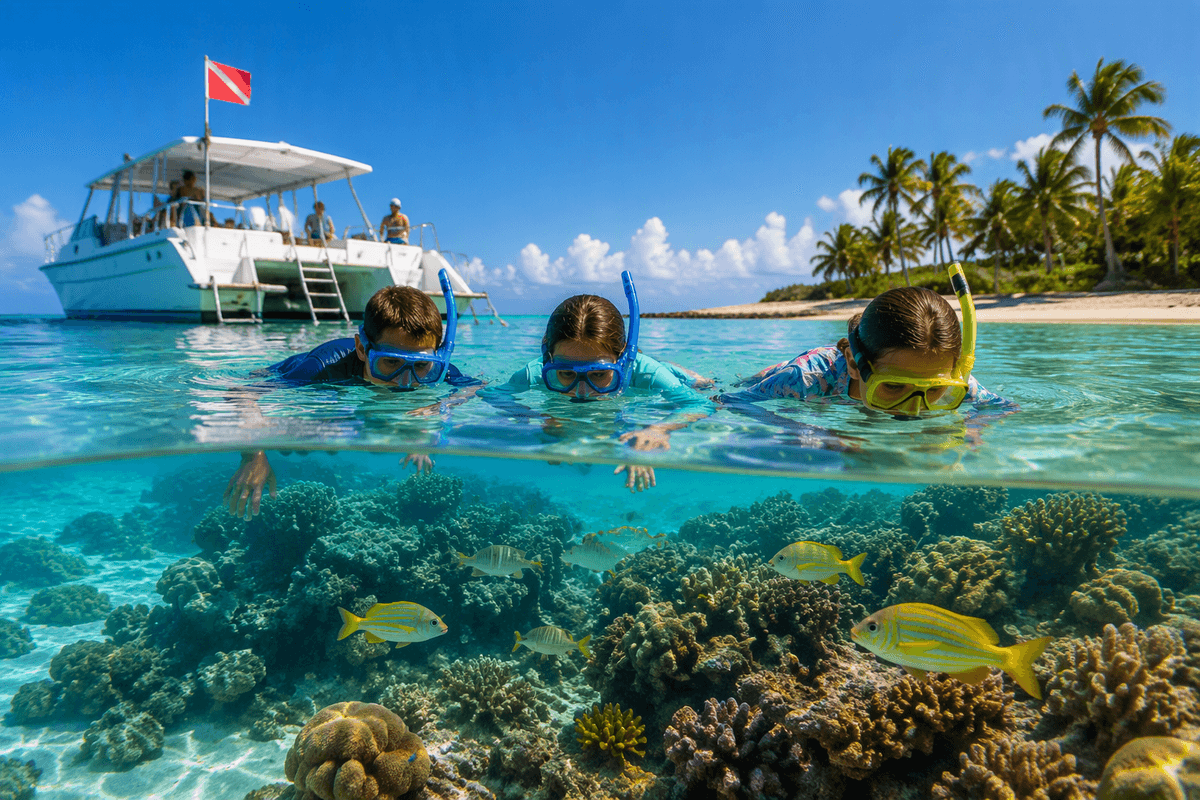
The moment that clarified our “what’s actually worth it” list was standing at the dock with a 7:30 a.m. check-in time and kids still negotiating breakfast. If you only book one big-ticket adventure, I’d make it a snorkel boat to the reef out of Key Largo—better reef access than most shore entries, and it keeps everyone moving without the “is it deep yet?” anxiety. The constraint is wind: choppy seas can turn a two-hour trip into a morale problem fast, especially for younger kids, so pick a morning departure and accept that you may be rebooking.
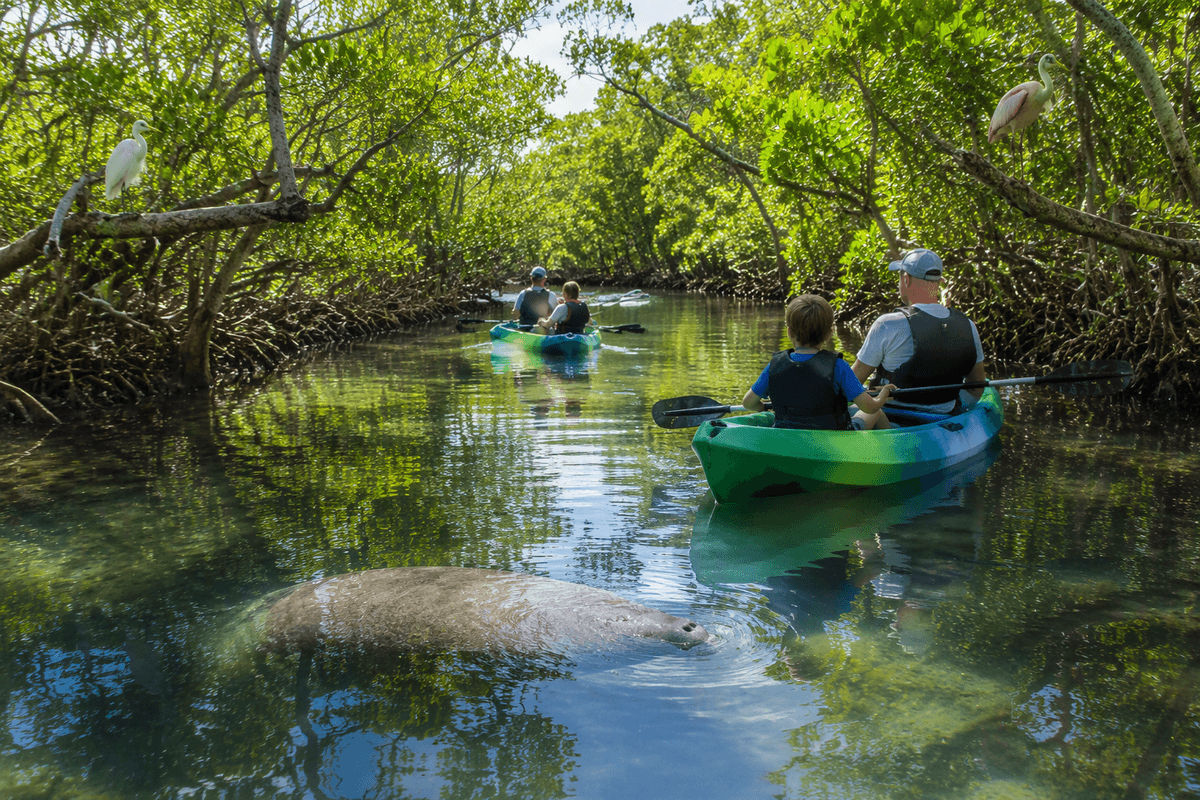
For a calmer water win, John Pennekamp’s beach-and-lagoon time works when you want swimming without committing to offshore conditions, but the payoff is more “easy sand day” than wow-factor reef. If your kids are 10–14 and comfortable paddling, a mangrove paddle (or guided eco tour) is the best wildlife-to-effort ratio—quiet water, manatees/birds if you’re lucky, and it doesn’t fall apart if the ocean is rough.
Boats aren’t all equal: glass-bottom tours are a decent compromise when a few people don’t want to snorkel, but the view can feel underwhelming in glare or waves. If you’re choosing between two boat days, I’d split them: one reef/snorkel morning, one wildlife/eco boat—same “boat excitement,” less repetition, and fewer meltdowns from feeling forced into the same experience twice.
Rainy-day and low-key backup options
We hit our first real friction point when a forecast turned into a steady gray drizzle—not a “cancel everything” day, but enough to make boats miserable and kids restless. In that window, the Florida Keys Wild Bird Rehabilitation Center is the kind of stop that works because it’s short, flexible, and still feels like you did something; it’s also not an all-morning commitment if attention spans run out. The limitation is it’s not a theme-park distraction—plan it as a 60–90 minute reset, not your whole day.
If you need a true low-key afternoon, I like pairing an early lunch in Islamorada with Robbie’s as a controlled chaos option: the tarpon feeding is memorable even when the weather’s not cooperating, but it can be crowded and a little intense for kids who don’t love flapping fish and wet hands. When the rain is on-and-off, John Pennekamp’s visitor center plus a quick shoreline walk can salvage the day without the “we drove far for nothing” feeling—just keep expectations modest if the water’s murky.
Logistics that matter: timing, costs, safety
Our most useful planning move was treating the first two mornings like “weather premium” time: anything offshore (snorkel boats, open-water tours) went early, before wind and chop had a chance to build and before the check-in line turned into a slow-motion stress test with hungry kids. The part that doesn’t work as well is trying to squeeze a boat trip after a late breakfast—many operators want you there well before departure, and that buffer evaporates fast when you’re hunting parking or negotiating sunscreen.
Cost-wise, it helped to decide in advance what we’d happily pay for versus what we’d only do if conditions were perfect. A reef snorkel charter can be the big-ticket anchor, but doubling up on similar boats gets expensive and starts feeling repetitive. We saved money (and arguments) by mixing one “must-do” boat with a state-park day and a paddle day, which still felt like variety without stacking fees.
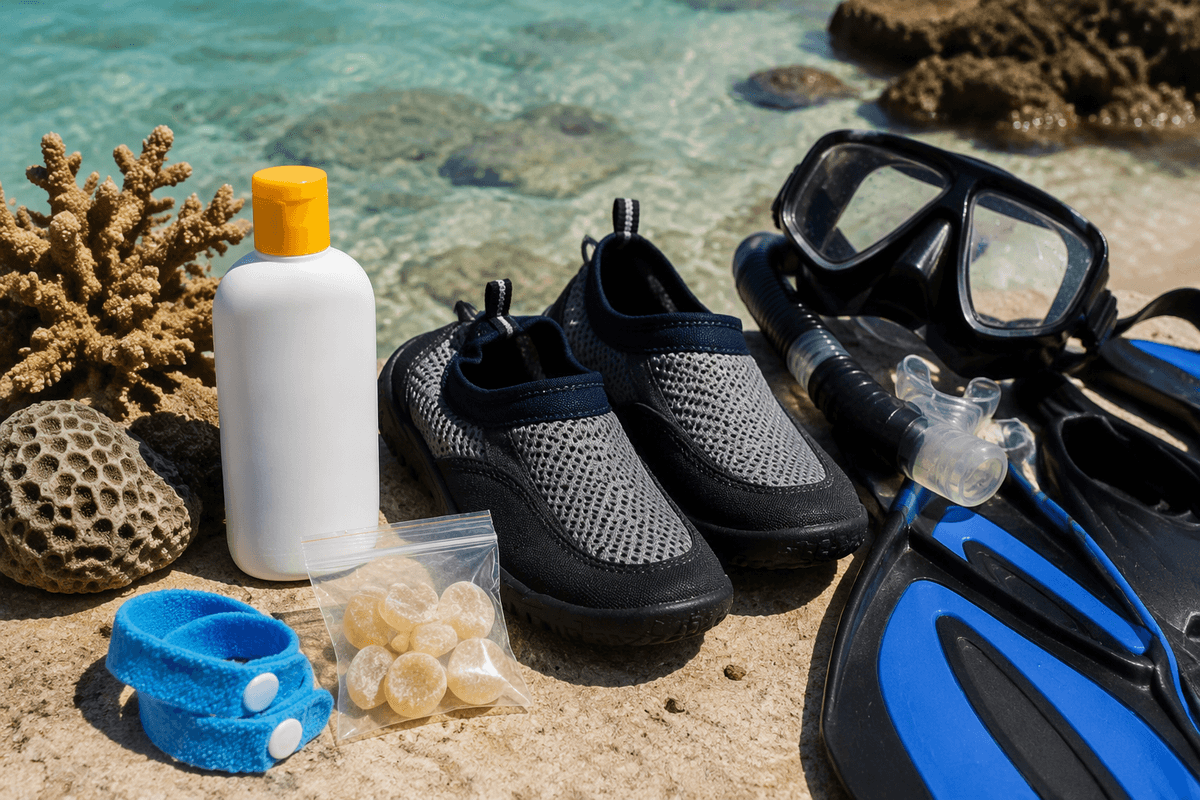
Safety is mostly about small frictions: reef-safe sunscreen rules, sharp coral (water shoes beat flip-flops), and seasickness planning for the 6–10 crowd. If a captain says the seas are sporty, believe them—pushing through usually costs more in misery than you get back in memories.
Putting it together: a flexible family game plan
On a 4–6 day trip, I’d build the plan around two “weather premium” mornings, then stop trying to win the rest of the schedule. Day 1 or 2: book the reef snorkel early and treat it as the anchor; Day 2 or 3: slot your second on-the-water choice (eco/wildlife boat or mangrove paddle) early as well. Everything else—Pennekamp beach time, a state-park half day, Islamorada meals—works better as movable pieces that don’t punish you if you swap them.
The decision cue that kept us sane: if you’re debating a third boat, don’t buy it until you see how the first one lands with your kids (seasickness, boredom, “best day ever”). You’re not planning perfection here—you’re reserving your best odds, then leaving enough slack to adapt without feeling like you “lost” a day.