Why the Night Safari surprises first-timers
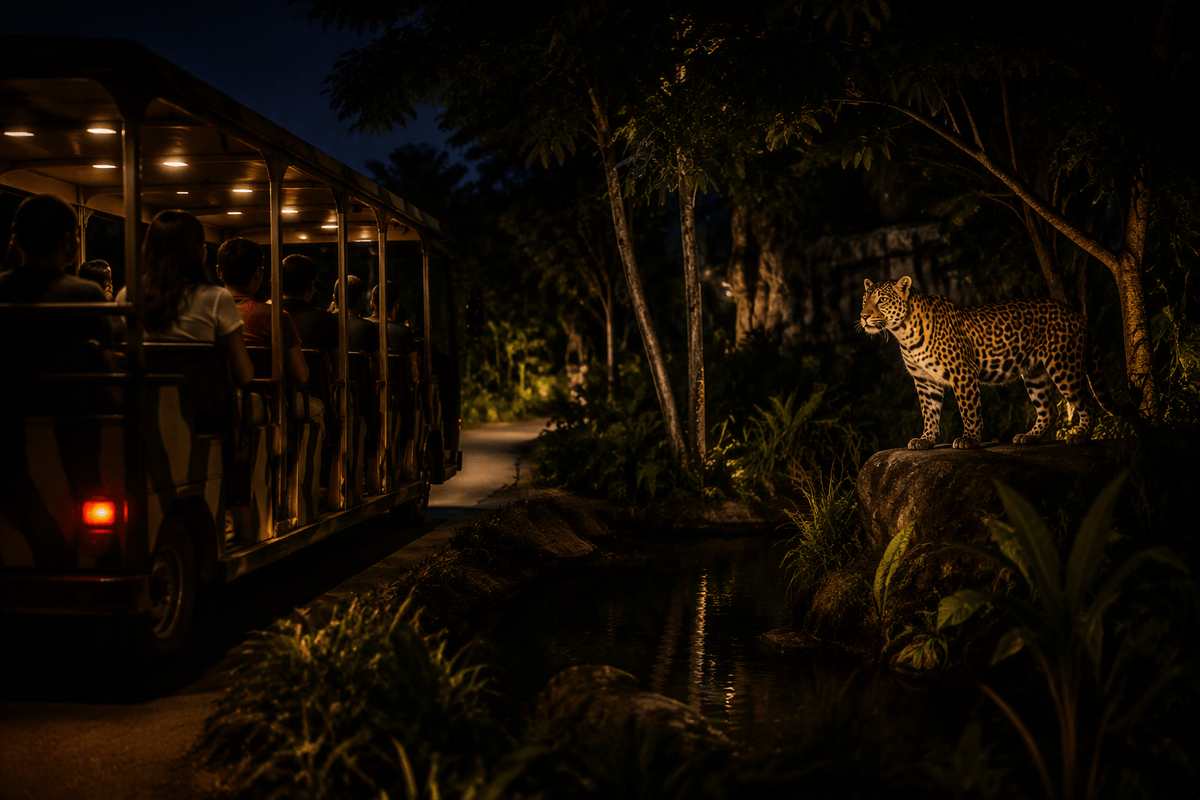
Standing at the entrance just after sunset, the first surprise isn’t the animals—it’s how quickly “we’ll just pop in” turns into a full evening with real pacing decisions. The Night Safari is dark by design, which feels atmospheric, but it also means photos are hit-or-miss and spotting animals can take patience (especially if you’re comparing it to a daytime zoo visit).
The second surprise is that the experience is part wildlife, part crowd management. If you arrive at the same time as everyone else, lines for entry, the tram, and even snacks can compress your schedule fast. Families feel it most: kids do better with an early start, but the animals can be more active later, so you’re balancing energy versus sightings.
Finally, the format nudges you to choose: the tram is efficient and covers ground quickly, but it can feel “drive-by” if you’re hoping for slow observing. The walking trails are more immersive, yet they demand time, comfortable shoes, and weather tolerance—Singapore humidity at night is no small factor when your itinerary is already tight.
What you’ll experience: trails, tram, wildlife
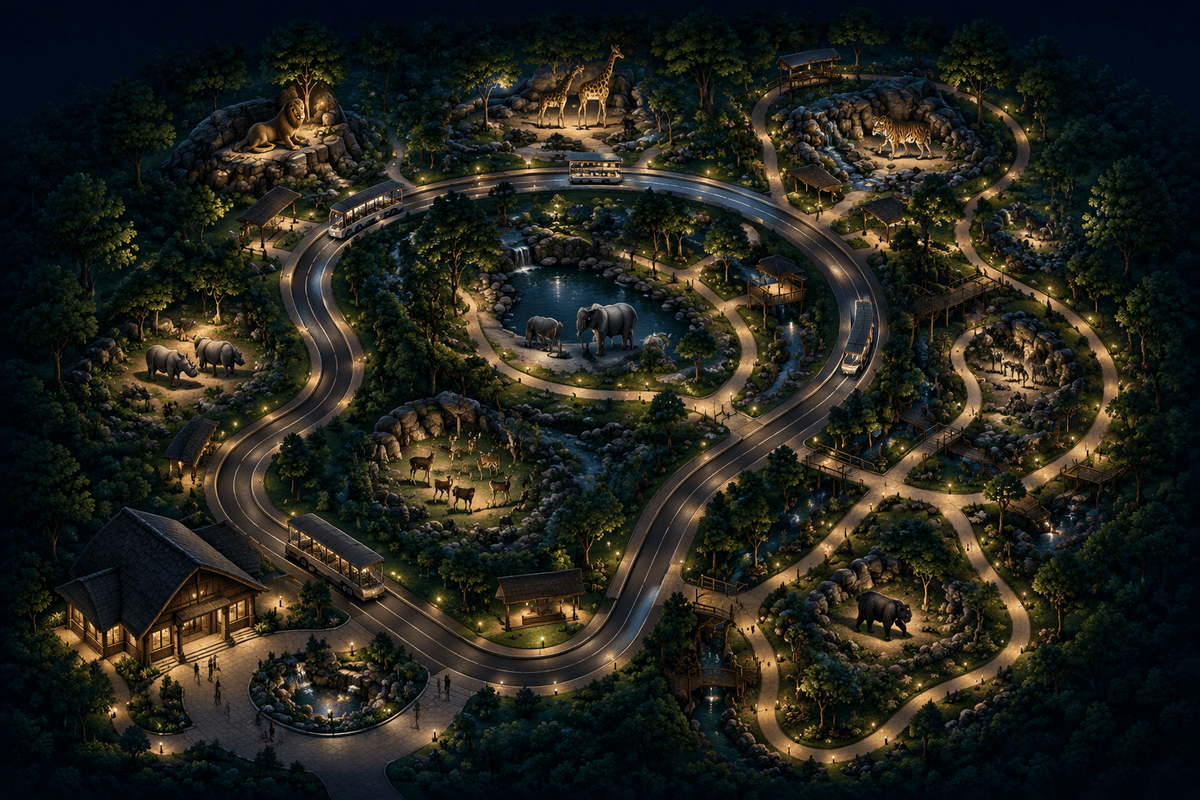
The first real decision hits as soon as you see the tram queue: do you lock in the efficient “overview” first, or gamble that walking trails will give you better sightings before the crowds thicken? The tram is a smooth way to orient yourself—broad zones, quick context, minimal effort when you’re already warm and slightly jet-lagged—but it’s also the easiest place to feel rushed, especially if you’re seated behind taller passengers or trying to spot animals in low light.
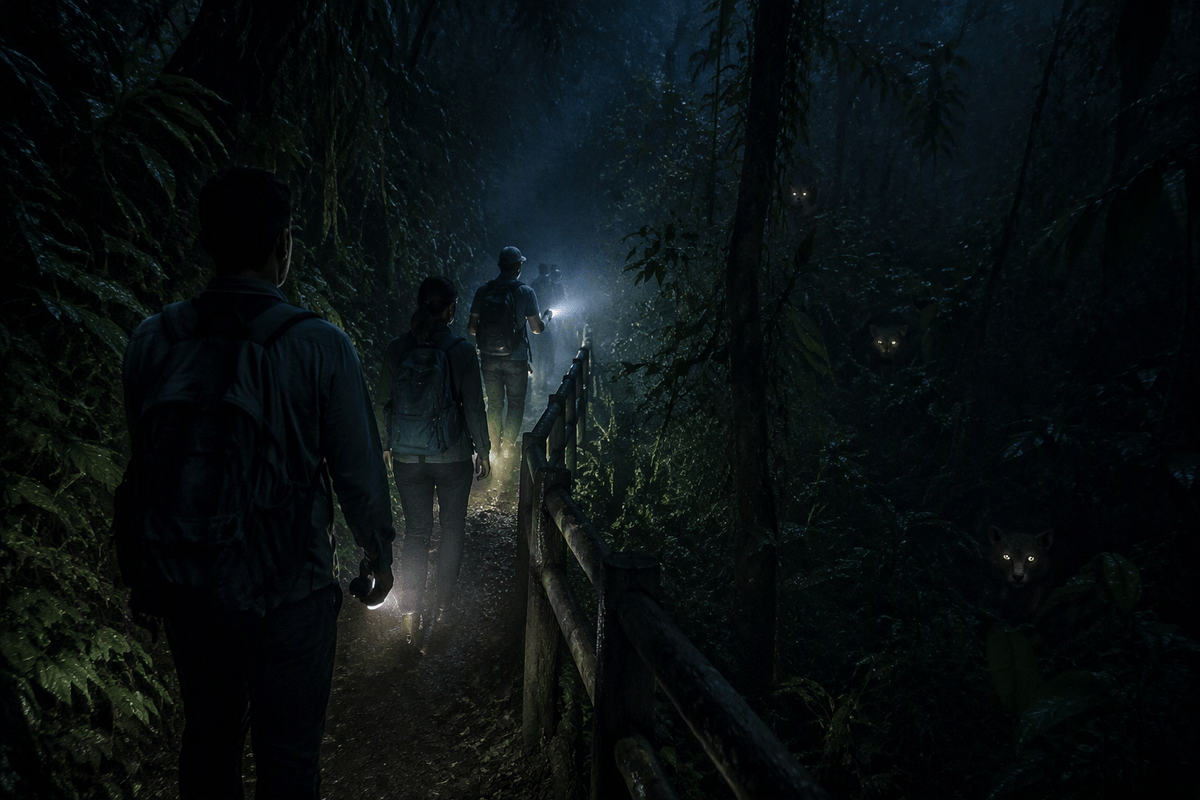
The walking trails are where the Night Safari feels less like an attraction and more like a night hike with curated encounters. They’re quieter in patches and you can linger when something is actually moving, which matters because a lot of what you’ll “see” is shapes, eyeshine, and brief moments rather than constant action. The constraint is time: even a couple of trails plus pauses can eat an hour fast, and humidity makes slow walking feel heavier than you expect.
Wildlife-wise, set expectations for real variability—some exhibits will be lively, others will look empty until you notice an ear flick or a tail in the shadows. If you’re traveling with kids (or anyone flagging after dinner), the tram keeps morale stable; if you’re chasing that “wow, it’s right there” moment, the trails give you more chances to earn it.
Tickets, hours, and best time to go
At the ticket page, the first friction point is realizing there isn’t really a “casual” Night Safari visit—once you factor transport and queues, you’re buying a whole evening. If your 3–4 day itinerary is tight, I’d book a timed entry in advance rather than leaving it to chance; walk-up availability can be fine on quieter nights, but the risk is losing 30–60 minutes at the door and then feeling pressured to choose tram or trails instead of both.
Hours vary a bit by season and special event schedules, so I treated the posted “last admission” as a warning, not a target. The most workable window for first-timers is arriving around opening time: you’ll move through entry and the first tram run before the later dinner crowd compresses the lines, and you can still stay late if the animal activity picks up. Going later can improve the nocturnal vibe, but it’s harder with kids—energy drops faster than the queues do.
On ticket types, combos look tempting, but they only pay off if you’re genuinely doing the paired attraction on the same trip without forcing the schedule. If you’re already juggling Gardens by the Bay, hawker dinners, and a short stay, a clean Night Safari-only plan often wins on simplicity—even if it costs a bit more per experience.
Getting there, entry flow, and accessibility
The first time I went, the “getting there” part was the sneaky time sink: it’s not downtown, and arriving even 20 minutes later than planned can translate into a much longer tram queue. Grab/taxi is the most predictable for a packed itinerary (especially with kids), but it’s also the priciest at peak hours; the MRT-to-connecting-shuttle route is cheaper, just less forgiving if you miss a departure and your timed entry is tight.
Entry flow is straightforward once you’re on-site, but bag checks and the initial bottleneck at the tram line are where evenings compress. If someone in your group needs step-free movement, plan around the tram and the flatter paths—strollers and wheelchairs are workable, but the darker, narrower trails can feel slower and more stressful when it’s crowded and sightlines are limited.
Suggested game plan: tram, trails, and shows
The moment that changed the whole pace for me was seeing the tram queue already forming while people were still deciding where to eat. If you’re on a 3–4 day trip and don’t want the Night Safari to swallow an entire evening, I’d arrive at (or slightly before) your timed entry, walk in with a simple order, and resist the urge to “just see what happens.” Wandering first feels relaxed, but it’s how you end up doing neither the tram nor the best trail properly.
My most reliable sequence for first-timers is: tram first for the big-picture loop, then commit to one or two walking trails based on energy. The tram works early because it’s the fastest way to get oriented before lines peak; if you leave it for later, you risk burning your best attention span standing still. After the tram, pick trails that match your group—families usually do better with one solid trail done slowly than three done impatiently in humidity.
Shows are the wildcard: they’re fun, but they lock you into a clock. If your group loves performances, plan one show and build the rest around it; if you’re here primarily for animals, skipping the show can be the difference between calm trail time and a rushed, crowded loop back through the central area.
What to pack, do’s/don’ts, and final call
I regretted not bringing a small towel and a second layer for the tram: you’re sweating on the trails, then sitting still in the breeze, and that hot-to-cool swing is when kids (and adults) start getting cranky. Pack light but specific—water, a compact poncho (umbrella fights the crowd), insect repellent, and closed-toe shoes with grip because wet paths plus low light is a quiet hazard.
Do use a dim screen and keep your phone away until you actually need it; night vision is hard-won and easy to ruin. Don’t count on flash photography—it’s usually restricted and, even when allowed elsewhere, it doesn’t help much in this lighting. If your group is fading, call it after one strong trail rather than forcing a second: the Night Safari is better as a “clean finish” than a dragged-out lap. If you can’t get an early slot or you hate queues, it’s the rare Singapore “must-do” that’s genuinely skippable without regret.